
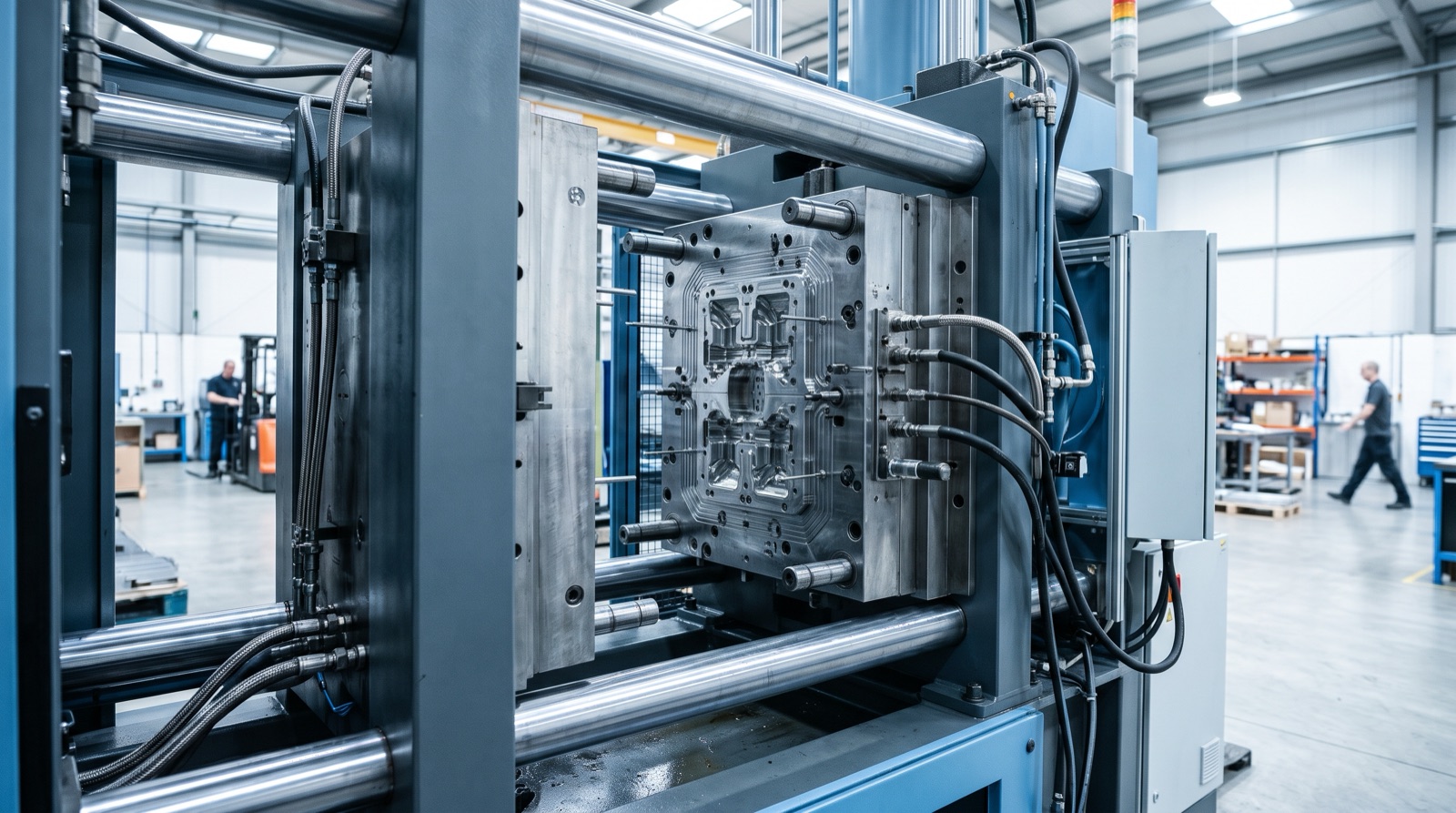
Moving an active plastic injection mould tool from one supplier to another is one of the fastest ways for UK OEMs to cut lead times, escape rising unit prices or recover from an unreliable moulder. When managed systematically, a UK mould transfer runs smoothly without interrupting customer deliveries. This guide sets out the exact technical checklist, timeline and press checks our engineers use when onboarding transferred tools at Shiraz Plastic in Manchester.
Why UK Manufacturers Relocate Injection Mould Tooling
Most tooling relocations stem from four commercial triggers:
- Reshoring from overseas: Long sea freight windows, container volatility and customs delays make domestic UK replenishment faster and more predictable.
- Supplier insolvency or capacity squeeze: When an incumbent moulder closes, sells up or deprioritises medium volume accounts, moving the tool protects continuity.
- Quality drift or poor communication: Recurring flash, dimensional drift or slow responses on urgent call offs signal that a tool needs closer engineering attention.
- Consolidating secondary operations: Moving tooling to a moulder that also offers post moulding assembly and ultrasonic welding eliminates extra transport legs.
Pre Transfer Technical Checklist
Before booking transport for your mould, gather as much of the following technical package as possible so your receiving UK moulder can verify press fit immediately:
- Overall tool dimensions and weight: Mould height (shut height), width, length and total mass determine platen fit and lifting gear requirements.
- Press tonnage and shot weight: Confirm the clamp force and shot size previously used. Shiraz Plastic runs 18T to 150T presses handling 1g to 500g components.
- Locating ring diameter and sprue bush radius: Standard UK and European sizes can be adapted quickly if known upfront.
- Ejection and clamping method: Confirm central hydraulic ejection or mechanical tie bars, plus whether clamping slots or bolt holes are used.
- Cooling, hot runners and ancillaries: Note water manifold fittings, hot runner controller zones and any hydraulic or pneumatic core pulls.
- Polymer grade and masterbatch details: Exact resin datasheet, drying parameters, colour masterbatch percentage and whether regrind is permitted.
- Golden samples and drawings: Two or three approved reference parts alongside 2D inspection drawings speed up first off sign off.
Step by Step UK Mould Transfer Process
1. Buffer Stock Planning and Transit Preparation
Build four to six weeks of finished component buffer stock before pulling the tool from the outgoing supplier. Ensure the mould faces are lightly coated with rust inhibitor, strap the halves securely with transit plates, drain cooling channels completely and confirm goods in transit insurance covers full tool replacement value.
2. Tool Collection and Incoming Inspection
Once the tool arrives at our Clayton, Manchester facility, our engineers strip, clean and inspect cavity surfaces, parting lines, ejector pins, vents, cooling channels and wear plates. Any corrosion, blocked waterways or worn guides are flagged immediately with photos and a clear repair estimate.
3. Adaptation and Press Setup
If the mould previously ran on a different machine footprint, we check locating rings, nozzle seating, clamping plates and cooling couplings so the tool mounts safely on our 18T to 150T presses.
4. Mould Trial and First Off Approval
We run a structured trial using your specified commodity or engineering polymer, record stable cycle parameters and supply first off samples with dimensional checks for your quality sign off.
5. Production Launch and Ongoing Tool Care
Once approved, we move into scheduled call off production and maintain your tool under routine preventative maintenance so cavity life is protected across future batches.
What If Documentation Is Missing?
In many urgent UK rescues, outgoing suppliers do not hand over setting sheets or CAD drawings. That does not stop a transfer. Our engineers measure shut height, tie bar clearance, water circuits and cavity geometry directly on the bench and establish a fresh, documented process window from scratch during the trial.
Frequently Asked Questions
How long does a UK injection mould transfer take?
For a sound tool with material available in stock, incoming inspection, press mounting and first off trial samples typically complete within one to two weeks of arrival in Manchester.
What press sizes and part weights can Shiraz Plastic accept?
Our Clayton, Manchester plant operates 18T to 150T injection moulding presses suited to components weighing from 1g to 500g across commodity and engineering thermoplastics.
Can you run tools originally built for overseas presses?
Yes. We routinely adapt locating rings, sprue radii, water couplings and clamping arrangements on moulds transferred from Europe or Asia so they run reliably on UK presses.
Do you handle tool maintenance and secondary assembly after transfer?
Yes. Alongside moulding and routine tool maintenance, we provide post moulding assembly, ultrasonic welding and 3D printed jigs or verification prototypes on site.
Request a UK Injection Moulding Quote
Shiraz Plastic manufactures precision plastic components from 1g to 500g on 18T to 150T injection moulding presses at our Clayton, Manchester facility, alongside mould transfer, tooling support, assembly, ultrasonic welding and 3D printing. Request a UK Injection Moulding Quote online, email mohammad@shirazplastic.co.uk or call 0161 230 6555.


